Blogs / Social Media Campaigns That Deliver: Real ROI For Retail, Luxury, And Tourism Brands
Social Media Campaigns That Deliver: Real ROI For Retail, Luxury, And Tourism Brands
Discover how result-driven social media campaigns boost ROI for retail, luxury, and tourism brands with proven strategies that engage, convert, and grow your audience...
November 14, 2025
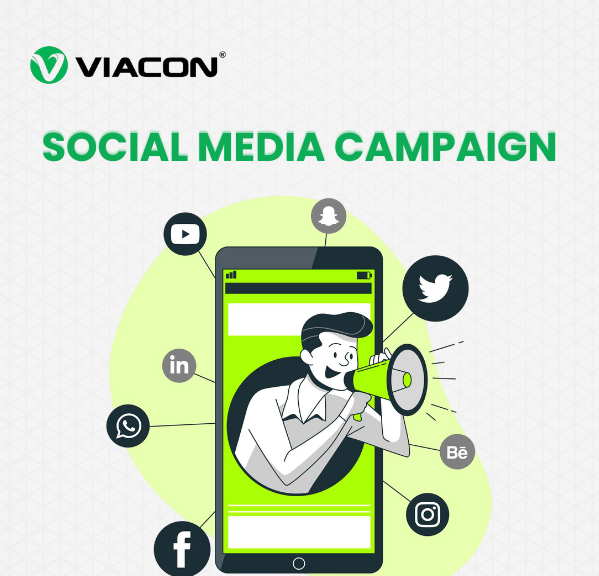
Rashad had a dream of opening a small bed and breakfast in his hometown, Dibba, Al-Fujairah, and making it his full-time job. However, realizing that dream seemed a little far-fetched when it came down to execution. The biggest roadblock came in marketing the business, especially on social media.
He invested heavily in creating a social media campaign to generate more leads and bookings. However, the returns were not as expected. While other similar businesses in the area were gaining traction by aligning their strategies with current social media trends, he was still failing to see results.
So, let’s explore how Rashad can better optimize his social media plans and get better ROIs.
How To Design A Social Media Campaign That Delivers ROI?
Rashad already knows what is a social media campaign. However, he struggled to apply his theoretical knowledge to practice. So, to alleviate his pain and other entrepreneurs like him, here is a guide on designing a social media plan that brings ROI -
Step 1: Define The Objectives
The first step of creating a social media marketing campaignis to define the objectives. It means what you want to achieve through this campaign, which can be -
Now, this will differ for each brand, depending on the industry it operates in. For Rashad, this objective is lead generation and increasing sales in the hospitality industry, so the campaign will be designed accordingly.
Step 2: Know The Audience
Following the selection of the objectives, you need to identify the people who will help you fulfil them. This process is loosely termed as establishing the buyer persona or finding the target audience.
Now, To Do That, You Need To Conduct Audience Research Based On -
Demographic
Pain points
Preferred platforms
Now, let’s put this in the context of Rashad’s business to better understand it. For him, the perfect target audience is travelers (solo, couple, families) who wish to spend some quiet time on the shores of the Gulf, an audience that can be tapped effectively through social media marketing in Dubai, where travel-focused content performs exceptionally well.
Additionally, these people are mostly active on Facebook, YouTube, TikTok, and Instagram, and their pain points include substandard facilities and services.
Step 3: Conduct Competitor Research
Once the audience is identified, it's time to find out who your competitors are and what they are offering that you are not. This is a crucial part of the social media campaign strategy, and it can influence the results.
So, to conduct competitor research, you can take the help of tools like SEMrush and Sprout Social and find out how they are doing right, and they can audit your plans to find the gaps and mend them.
Step 4: Selecting The Right Platform
The next step of this process is choosing the right platform. Here, you need to consider the campaign objectives, target audience, and competitor analysis while making the decision, along with the social media tools that will help you execute and optimize your strategy effectively.
Let’s understand this with an example. For Rashad, who is running a bread and breakfast business, the ideal platforms would be Instagram, TikTok, YouTube, and Facebook.
However, he found out that he was investing some time and effort in LinkedIn marketing to target professionals travelling to Dubai. This is simply a wastage of resources that was lowering his ROI.
Step 5: Create A Powerful Content Strategy
Now comes the most crucial part: crafting the content strategy. Based on the target audience and objectives, you need to draft a content plan. The idea here is to move the audience through content and create a marketing funnel.
Here, you can opt for the 80/20 rule, where you dedicate 80% of your content to offer value and entertainment and 20% to promotions.
Along with that, you also need to choose the content format based on the target audience and preferred platforms. For instance, Rashad is targeting travellers, so ideally, he should focus on short-video content for Instagram and TikTok, long-form videos for YouTube, etc.
Step 6: Create A Blend Of Organic And Paid Content
Once the content strategy is in place, it's time to launch the social media campaign. With a proper schedule in place and regular posting, the organic metrics will start showing results. You will notice an increase in followers, engagement, and leads. However, this will need some support to bring the desired results.
Here comes the idea of a social media advertising campaign. With a well-designed paid ad campaign, you can now support all your organic efforts and increase the visibility of the content. Resultantly, you start receiving more targeted engagement, and based on your objectives, you will also get better ROI.
Step 7: Monitor The Results – Compute The ROIs
Once the campaign is live, both organic and paid efforts, it's time for you to monitor the results. For that, you can track metrics such as -
Awareness Metrics: Reach and impression.
Engagement Metrics: Likes, comments, and shares.
Conversion Metrics: Click-through rate and conversion rate.
Now, you can attach this data to Google Analytics and your CRM to get a full-funnel view of the campaign.
Then you can use the formula: (Value Generated - Investment Costs) / Investment Costs × 100 to calculate the social media ROI.
Once you have all the data, you can optimize the granular details of the campaign to make it cost-efficient while maintaining performance.
Moving on, once the social media campaign ends, it is important to conduct a detailed post-campaign review to evaluate its effectiveness.
You can start the process by comparing the actual results with the KPIs set at the start of the campaign. Then you need to identify the campaign elements that have worked well and the ones that underperformed, similar to how you would optimize LinkedIn marketing by reviewing analytics and engagement patterns.
Finally, document these insights and lessons learned to refine your strategy and improve future campaigns, ensuring each one delivers a stronger ROI.
Tools For Creating And Managing A Social Media Campaign
Creating, running, and managing social media is nothing short of a handful. However, to make this process seamless, there are dedicated social media campaign managementtools. The list includes -
Tool Name
Purpose
Key Features
Canva
Content creation
Pre-designed templates for posts and stories Drag-and-drop editor Brand kits and team collaboration
Adobe Express
Visual design
Professional design tools Animation and video features Easy-to-use interface for quick edits
CapCut
Video editing
Mobile-friendly video editing Filters, transitions, and effects Ideal for TikTok and Reels
Hootsuite
Scheduling and Management
Multi-platform scheduling Real-time analytics Team workflows and approvals
Meta Ads Manager
Paid campaign management
Advanced audience targeting Budget control and optimization Performance tracking and split testing
Sprout Social
Analytics and Engagement
In-depth reporting dashboards Social listening tools CRM integration for customer care
Top Pitfalls To Avoid While Planning And Running A Social Media Campaign
While running a social media marketing campaign, you need to be wary of some pitfalls that can affect the performance of your efforts.
Here Are Some Of The Highlighting Ones -
Lack Of Clarity: One of the major areas where a social media campaign suffers is the lack of clarity. When you don't know what you want to achieve with the campaign, you will fail to create the right strategy, leading to unsatisfactory results.
Inconsistent Branding And Messaging: The next pitfall to avoid is disjointed visuals and tone in posts across platforms. For instance, a mistake Rashad made was that he chose two different color combinations for Facebook and Instagram posts. Now, this inconsistent brand confuses a user and leaves a negative impact.
Not Setting Up Proper Tracking: Another mistake a lot of people make is that they fail to set up the proper tracking system. Without the UTM parameters, conversion pixel, or analytics tools, you won't be able to find the best results and calculate ROI.
Ignoring Paid Promotions: Another mistake that people often make is ignoring paid promotions. Relying only on organic growth will not help brands fulfil their objectives and improve ROI. Instead, creating a strategic mix helps amplify the brand message and reach the targeted audience.
To sum up, designing a social media campaign is hard, as Rashad has realized in his quest. However, with the right planning, strategy, and a little help from an experienced agency like Viacon Digital, it is possible to achieve success.
At Viacon Digital, we have a team of social media experts who understand your vision, objectives, roadblocks, and pain points. Based on this analysis, we design campaigns that yield results. So, contact us for a free consultation session and learn more.
Frequently Asked Questions:
Q1. What Is The Difference Between Social Media Campaigns And Social Media Strategy?
A: The primary difference between a social media campaign and a social media strategy is that a campaign is a short-term initiative run on specific objectives within the framework of the strategy. On the other hand, a strategy here refers to the overarching plan that outlines a brand’s social media objectives and how to achieve them.
Q2. How Can A Retail Brand Benefit From A Social Media Campaign?
A: The best way a retail brand benefits from a social media campaign is through the following ways – • By increasing brand awareness and visibility • Driving website traffic and store visits • Improving overall sales and revenue • Building customer relationships and increasing trust
Q3. What Is The Ideal Duration Of A Social Media Campaign?
A: While there is no perfect answer to this question, the ideal duration of a social media campaign typically depends on its goals. So, for promotions and brand awareness, it ranges between 2 weeks and 3 months. But for campaigns looking to build customer loyalty, it can be between 3 and 12 months.
Q4. Is It Possible To Drive Direct Sales Through Social Media Campaigns?
A: Yes, it is possible to drive direct sales through social media campaigns. If you do the right targeting, craft an excellent story, and incorporate the right CTA, you can drive conversions. Additionally, if you opt for the social commerce route, it will also increase the conversion rates.
Q5. How To Fix A Social Media Campaign With Low ROI?
A: It is very easy to fix a social media campaign with low ROI by focusing on the following metrics - • Review the targeting • Evaluate the creatives • Review the CTAs • Further optimize the budget allocation